LED Screens in Singapore: Rental vs Purchase
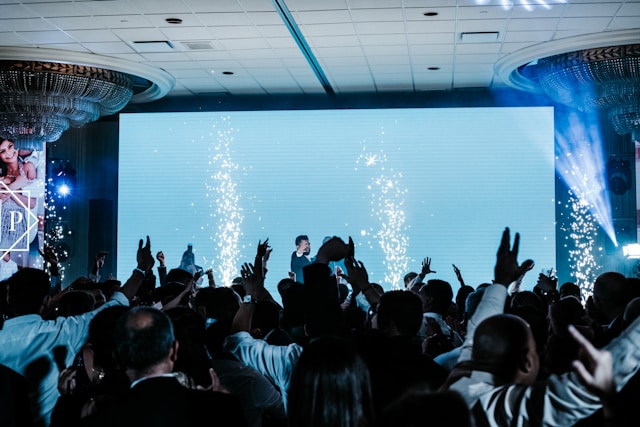
In the dynamic business landscape of Southeast Asia, visual impact is currency. Whether it’s for a high-stakes corporate conference, a vibrant retail storefront, or a massive outdoor music festival, the medium you choose to display your message matters immensely. This is where LED Screens in Singapore have become the gold standard. They offer brightness, clarity, and versatility that traditional projectors simply cannot match. However, once the decision to use LED technology is made, organizations face a critical financial and logistical fork in the road: should you rent the equipment for a specific duration, or is it wiser to purchase the hardware outright?
This decision is rarely straightforward. It involves a complex calculus of budget constraints, usage frequency, technical capabilities, and long-term business strategy. For some, the flexibility of rental is a lifeline; for others, the equity of ownership is a strategic asset. Navigating this choice requires a deep understanding of the local market and the operational realities of maintaining high-tech equipment. This article delves into the nuances of renting versus purchasing LED Screens in Singapore, guiding you through the financial and operational implications to help you make the decision that best aligns with your organizational goals.
The Case for Renting LED Screens in Singapore
For many businesses, particularly those in the events and exhibition sector, renting is the default choice. The rental model offers a level of agility and financial protection that ownership cannot provide, especially in a market where technology evolves rapidly.
Financial Flexibility and Cash Flow
The most immediate advantage of renting LED Screens in Singapore is the preservation of capital. Purchasing a high-quality LED wall is a significant capital expenditure (CAPEX), often running into tens or hundreds of thousands of dollars. Renting, on the other hand, is an operational expenditure (OPEX). This allows businesses to allocate their budget to other critical areas like marketing, talent, or venue costs. For a company hosting an annual gala or a quarterly town hall, sinking massive funds into hardware that will sit in a warehouse for 360 days a year makes little financial sense. Renting allows you to pay only for the days you use the equipment, keeping your cash flow healthy and predictable.
Access to Cutting-Edge Technology
The technology behind LED Screens in Singapore is moving at breakneck speed. Pixel pitches are getting smaller, color reproduction is becoming more accurate, and energy efficiency is improving every year. If you purchase a screen today, it might be considered outdated within three to five years. Renting insulates you from this obsolescence. Rental companies are in the business of offering the latest and greatest to stay competitive. By renting, you ensure that your event always features state-of-the-art displays without the burden of upgrading your own inventory. You can request a P2.5 screen for an indoor conference one month and a rugged P3.9 outdoor screen for a festival the next, always matching the right tool to the job.
Elimination of Maintenance and Storage
Owning equipment means owning the problems that come with it. LED panels are robust, but they are not indestructible. Dead pixels, faulty power supply units, and receiving card errors are realities of the hardware. When you rent LED Screens in Singapore, maintenance is the provider’s headache, not yours. If a module fails during setup, the rental company swaps it out immediately from their spare inventory. Furthermore, you avoid the logistical nightmare and cost of storing delicate electronic equipment in climate-controlled environments. In land-scarce Singapore, where warehouse space comes at a premium, not having to store 50 flight cases of LED panels is a significant cost saving.
The Case for Purchasing LED Screens in Singapore
While renting offers flexibility, there are scenarios where purchasing is the undisputed winner. For businesses with consistent, long-term display needs, ownership offers control, brand consistency, and eventually, significant ROI.
Long-Term Cost Savings for Frequent Users
The math for purchasing LED Screens in Singapore changes dramatically based on frequency of use. If your organization plans to use the screen multiple times a month—perhaps for a permanent installation in a lobby, a retail window display, or a church sanctuary—the cumulative cost of rental will quickly surpass the purchase price. A general rule of thumb is the “cross-over point.” If you are renting a screen more than 15 to 20 times over a three-year period, purchasing is likely the more economical option. Once the hardware is paid off, it becomes an asset that costs very little to run, drastically reducing the cost-per-use over its lifespan.
Total Control and Customization
When you own your LED Screens in Singapore, you are the master of your visual destiny. You are not beholden to the availability of a rental company’s inventory during peak seasons. You can install the screen exactly where you want it, configure it in unique aspect ratios that suit your specific space, and leave it running 24/7 if necessary. This is particularly vital for retail and branding applications where the screen is a permanent fixture of the environment. Ownership allows for deep integration with your internal content management systems (CMS), enabling real-time updates and seamless control that might be difficult to achieve with a temporary rental setup.
Revenue Generation Opportunities
An often-overlooked benefit of owning LED Screens in Singapore is the potential for revenue generation. A purchased screen is an advertising asset. A shopping mall, for instance, can purchase a large digital billboard and lease the airtime to tenants, turning a cost center into a profit center. Similarly, a hotel with a permanently installed ballroom LED wall can charge clients a usage fee for events, eventually recouping the investment and generating pure profit. This monetization model is impossible with rented equipment, where the margins are consumed by the rental fees.
Operational Considerations for LED Screens in Singapore
Beyond the financials, the choice between renting and buying hinges on your organization’s operational capacity. Do you have the team to manage the tech, or do you need a turnkey solution?
The “Turnkey” Advantage of Rental
Renting LED Screens in Singapore is rarely just about the hardware; it is a service. Rental packages typically include delivery, setup, calibration, and teardown by skilled technicians. This is invaluable for event organizers who have a million other things to worry about. You are paying for the peace of mind that comes with having a dedicated specialist on-site to troubleshoot any signal issues or color imbalances. If you purchase, you either need to hire and train in-house technicians or contract a third-party AV company to manage the screen, adding a layer of operational complexity.
The Maintenance Reality of Ownership
If you choose to purchase LED Screens in Singapore, you must be prepared for the reality of maintenance. Unlike a TV, an LED wall is modular. It requires regular cleaning, firmware updates, and the occasional replacement of modules or power supplies. In Singapore’s humid climate, moisture is the enemy of electronics. Owners must invest in dehumidifiers and proper climate control for the installation area. You will also need to manage a “spare parts kit”—usually 3-5% of the total screen area—to ensure you have matching batches of LEDs for repairs. Ignoring maintenance can lead to patchy, discolored screens that damage your brand image rather than enhancing it.
Hybrid Models: The Best of Both Worlds?
The market for LED Screens in Singapore is evolving, and binary choices are no longer the only option. Some businesses are finding success with hybrid approaches.
Long-Term Leasing
Leasing offers a middle ground. You get the exclusive use of the equipment at your location (like a purchase) but pay for it over time through monthly installments (like a rental). At the end of the lease term, you often have the option to buy the equipment for a residual value or upgrade to newer technology. This model is excellent for corporate lobbies or retail stores that want the benefits of a permanent installation without the massive upfront CAPEX hit. It aligns the cost of the LED Screens in Singapore with the revenue or value they generate over time.
Purchasing Core Hardware, Renting for Expansion
Another strategy is to purchase a core inventory of LED Screens in Singapore that covers your baseline needs—say, a modest 3×2 meter screen for routine town halls—and then rent additional panels to expand the screen size for major annual events. This approach maximizes the utilization of your owned assets while retaining the flexibility to scale up when the occasion demands it. It requires ensuring that your owned panels are compatible with rental market standards, but it can be a highly effective way to balance cost and impact.
Making the Final Decision
Ultimately, the decision to rent or purchase LED Screens in Singapore boils down to your specific business model and risk appetite.
If your needs are project-based, infrequent, or require constantly changing screen configurations, rental is the superior choice. It offers agility, eliminates storage costs, and guarantees access to the latest tech with zero maintenance liability.
However, if your need is permanent, frequent, or central to your daily operations, purchasing is the strategic investment. It offers long-term savings, complete control over the asset, and the potential for monetization.
Before signing a contract, conduct a thorough audit of your projected usage over the next 36 months. Talk to vendors about the lifespan of the specific diodes and the availability of local support. Whether you choose to be a renter or an owner, integrating LED Screens in Singapore into your visual strategy is a powerful move. By weighing the factors of finance, flexibility, and maintenance outlined here, you can ensure that your investment shines as brightly as the pixels on the screen.