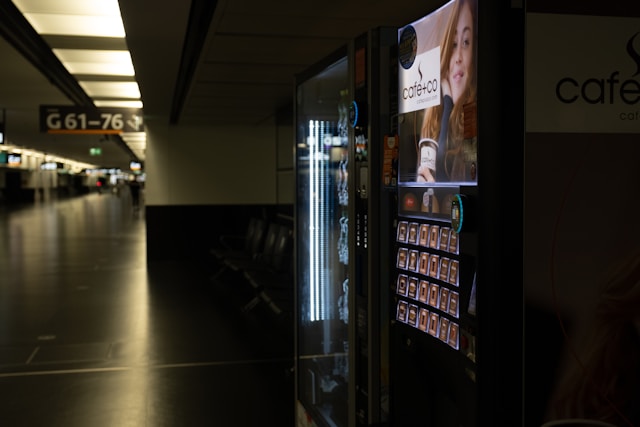
Coffee Vending Machine Maintenance Challenges in Singapore
A Coffee Vending Machine can improve office convenience, staff satisfaction, and pantry efficiency, but keeping it running well is not always simple. In Singapore, businesses that install these machines often discover that maintenance plays a major role in long-term performance. Without proper upkeep, a machine that was meant to make office life easier can quickly become a source of downtime, hygiene concerns, inconsistent drink quality, and repeated service calls.
For office managers, facilities teams, and business decision-makers, this matters more than it may seem at first. A coffee machine is often used every day, by many people, in a fast-paced workplace. That means small maintenance issues can grow fast. This article explains the most common coffee vending machine maintenance challenges in Singapore and what businesses should plan for before problems start affecting the workplace.
Why maintenance matters for every Coffee Vending Machine
Many companies focus on machine features when choosing a unit. They compare drink options, design, speed, and cost. Those factors matter, but maintenance is what determines whether the machine remains useful after installation.
A coffee vending machine works through a mix of moving parts, water flow, heating systems, dispensing components, and ingredient storage. If any one of these areas is neglected, performance can drop. Drinks may taste weaker, dispensing may slow down, or the machine may stop working altogether.
In office settings, expectations are usually high. Employees want coffee that is quick, clean, and consistent. If the machine starts failing, people notice right away.
Daily use creates steady wear
Office machines are not used once in a while. They often serve dozens or even hundreds of drinks over a short period, especially during morning hours, lunch breaks, and meeting times. This repeated use adds stress to internal parts.
Over time, businesses may face:
- Reduced dispensing accuracy
- Slower brewing performance
- More frequent faults
- Greater need for cleaning and servicing
- Higher risk of unexpected breakdowns
The heavier the usage, the more important preventive maintenance becomes.
Cleaning is one of the biggest Coffee Vending Machine challenges
Cleaning is often the first maintenance issue businesses face. Coffee machines deal with liquids, milk systems, powder ingredients, residue, and waste. If these areas are not cleaned properly, the machine can become unhygienic and perform poorly.
In Singapore’s warm climate, this is especially important. Heat and humidity can make residue build up faster and increase the risk of odor, bacteria, or mold in neglected parts.
Coffee Vending Machine cleaning needs are easy to underestimate
Some businesses assume a machine only needs occasional wiping on the outside. In reality, proper cleaning usually includes both visible and internal areas.
Common cleaning tasks may include:
- Wiping the machine exterior
- Cleaning dispensing nozzles
- Emptying drip trays
- Washing waste containers
- Flushing internal systems
- Cleaning milk or creamer lines
- Removing coffee residue from key parts
If these steps are delayed, drink quality and hygiene can drop quickly.
Poor cleaning affects taste and user confidence
A machine may still function even when cleaning standards fall, but users will often notice changes. Coffee may taste stale. Drinks may smell off. Spills and residue may make the machine look poorly managed.
This affects more than the machine itself. It also shapes how staff view the pantry and office environment. A dirty coffee machine can make a workplace feel less organized and less professional.
Water quality issues can affect Coffee Vending Machine performance
Water quality is one of the most overlooked maintenance factors. Coffee machines depend on clean and stable water flow. If water contains mineral buildup or impurities, internal components can be affected over time.
This issue matters because water passes through heating systems, pipes, valves, and brewing areas. Any buildup can reduce efficiency and increase wear.
Hard water and scaling create long-term problems
Mineral deposits can build up inside the machine, especially in heating elements and water lines. This scaling can make the machine work harder and reduce brewing consistency.
Possible effects include:
- Slower heating
- Uneven drink temperature
- Blocked internal pathways
- Higher energy use
- Increased strain on components
If scaling continues for too long, more serious repairs may be needed.
Water filtration can reduce maintenance stress
Businesses that use proper filtration often reduce the risk of internal buildup. This helps protect the machine and improve drink quality at the same time. Without that support, maintenance becomes more frequent and more reactive.
For facilities teams, this means water quality should be part of the machine planning process, not just an afterthought.
Component wear is a normal but important maintenance issue
Every coffee vending machine contains parts that wear down over time. Pumps, seals, grinders, dispensing motors, sensors, and heating elements all face repeated use. Even a well-maintained machine will eventually need replacement parts.
The key issue is not whether wear will happen. It is whether the business is prepared for it.
Coffee Vending Machine parts can degrade through normal office use
Machines in busy offices tend to face stronger wear because usage is concentrated into peak times. A unit may experience heavy morning demand, then a second rush after lunch. This pattern places ongoing pressure on internal systems.
Common component issues may include:
- Worn seals causing leaks
- Blocked or aging dispensing lines
- Grinder performance decline
- Sensor faults
- Valve or pump failure
- Heating system inefficiency
When these parts weaken, small problems can spread into larger ones.
Preventive servicing helps spot wear early
One of the best ways to manage component wear is through scheduled servicing. A technician may be able to spot early signs of deterioration before the machine fails fully. That helps reduce sudden downtime and more expensive repairs later.
For businesses, this is often more practical than waiting until the machine stops working.
Downtime is one of the most disruptive Coffee Vending Machine risks
A coffee machine problem may seem minor until the machine goes offline during a busy workday. Downtime can frustrate staff, disrupt routines, and create extra work for office teams who have to manage complaints or arrange alternatives.
In some offices, coffee service is treated as a small amenity. In others, it is heavily used and closely tied to daily workflow. In both cases, repeated downtime weakens the value of the machine.
Downtime affects more than beverage access
When a machine is unavailable, the impact may include:
- Staff leaving the office for coffee runs
- Longer pantry queues at other equipment
- More complaints to office administration
- Reduced trust in pantry facilities
- Lost value from the original machine investment
These effects are not dramatic on their own, but they add up over time.
Fast response matters when problems happen
If a machine goes down, response speed becomes critical. A business may have good equipment, but if servicing support is slow, the machine still becomes a problem.
That is why maintenance planning should include not only routine cleaning and servicing, but also clear fault response procedures.
Supply consistency is part of maintenance in practice
Maintenance is not only about mechanical repair. It also includes keeping the machine supplied properly. If ingredients run low, cups are missing, or the waste system is full, the machine becomes unreliable even if the hardware is fine.
For office managers, this creates an operational challenge.
Coffee Vending Machine reliability depends on steady replenishment
A machine needs more than power and water. It also depends on regular replenishment of the items that keep it functioning.
These may include:
- Coffee beans or powder
- Milk or creamer supplies
- Sugar and other ingredients
- Cups and stirrers
- Waste bin clearance
- Water supply checks
If stock runs out at the wrong time, users often blame the machine even though the issue is supply management.
Poor restocking creates avoidable service complaints
Many office complaints linked to coffee machines are not caused by technical failure. They come from weak replenishment planning. If teams do not track usage patterns well, supplies may run out during peak demand.
That is why usage monitoring matters. A busy office may need more frequent checks than expected.
Hygiene expectations are especially high in office environments
Office pantry hygiene is a visible issue. Staff use shared facilities every day, and they quickly notice whether a machine looks clean and safe. In Singapore, where workplace standards and food hygiene awareness are taken seriously, this matters even more.
A coffee machine that appears neglected can create immediate concern.
Hygiene problems can damage confidence quickly
Users may become uncomfortable if they notice:
- Stains around dispensing areas
- Old coffee residue
- Overflowing drip trays
- Unpleasant odors
- Dirty touchpoints
- Spilled ingredients around the machine
Even if the machine still works, poor hygiene can discourage people from using it.
Coffee Vending Machine hygiene requires routine discipline
Cleanliness needs to be part of a regular routine, not a response to visible mess. Offices that treat machine hygiene casually often end up with more complaints, more servicing needs, and lower user satisfaction.
A clean machine supports both functionality and workplace trust.
Servicing needs should be planned, not improvised
Many businesses make the mistake of treating service only as an emergency response. That approach often leads to more disruption because problems are handled only after performance drops.
A better approach is to plan for routine servicing from the start.
Coffee Vending Machine servicing supports long-term value
Scheduled servicing can help with:
- Internal inspections
- Part replacement before failure
- Descaling and deep cleaning
- Calibration checks
- Software or system adjustments
- Performance testing
This helps extend machine life and keep beverage quality more stable.
Reactive servicing usually costs more in the long run
When businesses wait until faults appear, they often face:
- More urgent repair costs
- Longer downtime
- Greater staff dissatisfaction
- Higher risk of repeated failure
Planned servicing is usually easier to manage than repeated emergency fixes.
Office usage patterns shape maintenance demands
Not every office uses a coffee machine the same way. Usage patterns affect cleaning schedules, supply planning, and repair frequency. A small office with light daily use will have different needs from a large workplace with constant demand.
This is why maintenance should match actual behavior.
High-traffic offices create heavier maintenance pressure
A machine in a busy office may face:
- Morning rush periods
- Back-to-back meeting demand
- Frequent use by visitors
- Shared use across departments
- Increased wear during peak times
This means maintenance intervals may need to be shorter than expected.
Hybrid work can make usage less predictable
Some offices now have uneven attendance patterns due to hybrid work. A machine may be lightly used on some days and heavily used on others. This can create restocking and cleaning challenges because demand is less consistent.
Facilities teams need to understand real office patterns to maintain the machine properly.
How businesses can reduce Coffee Vending Machine maintenance problems
The best way to reduce maintenance challenges is to treat the machine as an active office asset rather than a passive pantry appliance. That means planning for upkeep, usage, and support from the start.
Practical ways to improve maintenance outcomes
Businesses can reduce problems by:
- Setting a clear cleaning schedule
- Monitoring ingredient and cup levels regularly
- Using suitable water filtration
- Booking routine servicing before issues appear
- Tracking heavy usage periods
- Responding quickly to minor faults
- Keeping hygiene standards visible and consistent
These steps are simple, but they make a big difference in daily reliability.
Conclusion
A Coffee Vending Machine can add real value to an office, but only if maintenance is handled properly. In Singapore, the main challenges often include cleaning demands, component wear, water quality issues, downtime risk, supply consistency, servicing needs, hygiene expectations, and usage patterns shaped by office traffic.
For office managers and facilities teams, the lesson is clear: machine performance does not depend only on installation. It depends on what happens after installation. A well-maintained coffee machine supports convenience, staff satisfaction, and pantry efficiency. A poorly maintained one creates the opposite. Businesses that plan for maintenance early are far more likely to get lasting value from their investment.